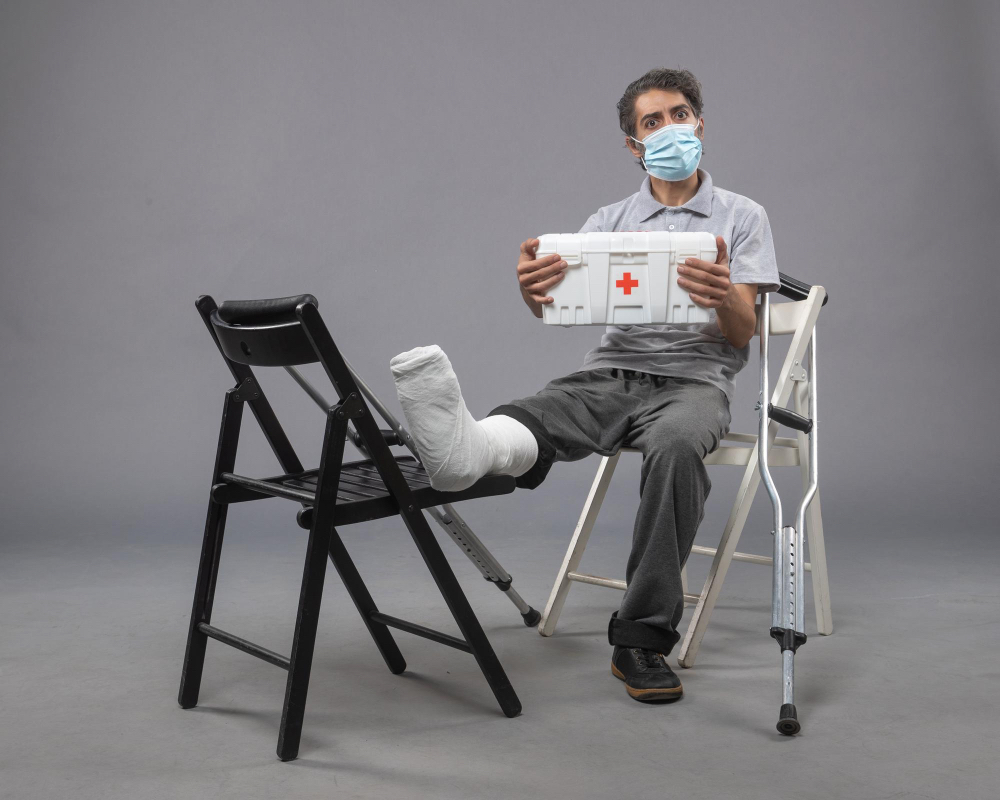
After an injury, most people expect physical recovery to be the main challenge. What often surprises them is the amount of paperwork that follows. Forms, letters, emails, instructions, and records begin to pile up quietly, turning administrative tasks into a significant part of daily life.
This experience comes up often when people speak with a Personal Injury Lawyer to explain how recovery extended far beyond medical appointments.
Documents Multiply Quickly
Injury recovery often introduces paperwork from multiple directions.
People may find themselves managing:
- Medical forms and visit summaries
- Insurance letters and explanations
- Appointment confirmations
- Bills, statements, and follow-up requests
What starts as a few documents can quickly grow into a stack that demands attention.
Reading and Responding Takes More Energy Than Expected
Paperwork requires focus, comprehension, and decision-making. After an injury, these mental tasks can feel heavier.
This can lead to:
- Difficulty concentrating on long documents
- Needing to reread information multiple times
- Feeling mentally drained after short sessions
- Putting off responses due to fatigue
The effort involved isn’t always obvious to others.
Instructions Can Feel Overwhelming
Forms and letters often include detailed instructions, deadlines, or unfamiliar terms.
People may feel:
- Unsure what is required
- Afraid of making mistakes
- Stressed by deadlines
- Frustrated by unclear language
The pressure to “get it right” adds emotional strain.
Paperwork Often Arrives During Recovery Time
Documents rarely arrive at convenient moments.
They may come:
- During rest periods
- Between appointments
- Late in the day when energy is low
- While pain or discomfort is present
Timing can make simple tasks feel unmanageable.
Organization Becomes a Necessary Skill
Managing paperwork after an injury often requires new systems.
People may:
- Create folders or binders
- Track deadlines carefully
- Keep notes to remember conversations
- Set reminders for follow-ups
Staying organized becomes part of recovery.
Emotional Weight Builds Quietly
Paperwork often carries reminders of the injury itself.
Each document may:
- Reinforce the reality of recovery
- Bring financial concerns to the surface
- Trigger stress about progress
- Interrupt moments of normalcy
The emotional impact accumulates over time.
Why This Struggle Is Often Overlooked
Paperwork happens privately, away from public view.
As a result:
- The time commitment is underestimated
- Mental fatigue goes unnoticed
- Stress is assumed to be minimal
Yet administrative tasks can consume hours each week.
Why Paperwork Burden Matters in Injury Cases
When someone consults a Personal Injury Lawyer, the volume and impact of paperwork help illustrate how an injury affects daily functioning and mental load.
This burden reflects:
- Ongoing administrative responsibility
- Cognitive strain
- Emotional stress
- Disruption of normal routines
It shows that recovery involves more than physical healing.
Finding Ways to Reduce the Load
Over time, many injury victims develop strategies to manage paperwork more comfortably.
This may include:
- Handling documents in short sessions
- Asking questions instead of guessing
- Letting go of perfection
- Accepting help when available
These adjustments help reduce stress without eliminating responsibility.
Conclusion
A personal injury can quietly turn paperwork into a major part of daily life. Forms, letters, and instructions demand attention, energy, and emotional resilience at a time when both are limited.