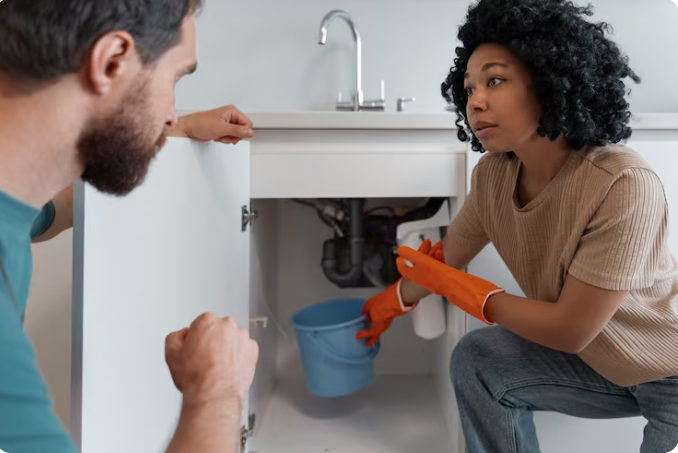
Water damage is one of the most common and costly problems homeowners face. A small leak, clogged drain, or unnoticed plumbing issue can quickly turn into expensive repairs that affect walls, floors, furniture, and even your home’s structural integrity. While some plumbing emergencies happen unexpectedly, many water-related issues can be prevented through regular maintenance and proactive care.
By adopting a few simple habits and paying attention to key areas of your home, you can significantly reduce the risk of water damage and protect your investment for years to come.
Schedule Regular Plumbing Inspections
One of the most effective ways to prevent water damage is to have your plumbing system inspected regularly. Pipes, valves, water heaters, and drainage systems naturally experience wear and tear over time. Professional inspections can identify small problems before they develop into major leaks or burst pipes.
For homeowners in areas prone to heavy rainfall or basement flooding, scheduling a sump pump inspection in Lake St. Louis, MO can help ensure your drainage system is functioning properly when you need it most. Catching issues early often saves both money and stress.
Check for Hidden Leaks
Not all leaks are immediately visible. Some develop behind walls, beneath sinks, or under flooring, where they can go unnoticed for months. Over time, hidden leaks can cause mold growth, wood rot, and significant structural damage.
Watch for warning signs such as:
- Unexpected increases in your water bill
- Damp spots on walls or ceilings
- Musty odors
- Peeling paint or wallpaper
- Low water pressure
Performing routine visual inspections around plumbing fixtures can help you identify potential issues before they become serious.
Maintain Gutters and Downspouts
Your home’s exterior drainage system plays a major role in preventing water intrusion. Gutters and downspouts direct rainwater away from your roof and foundation. When they become clogged with leaves, dirt, or debris, water can overflow and seep into your home.
Clean gutters at least twice a year and inspect them after major storms. Make sure downspouts extend several feet away from the foundation to prevent water from pooling near your home.
Proper drainage can significantly reduce the risk of basement flooding and foundation damage.
Inspect Your Water Heater
Water heaters are often overlooked until they stop working or begin leaking. However, a failing water heater can release large amounts of water into your home in a short period of time.
Inspect your unit regularly for:
- Rust or corrosion
- Water pooling around the base
- Strange noises
- Reduced hot water performance
Flushing the tank annually can help remove sediment buildup and extend the life of the system. If your water heater is approaching the end of its expected lifespan, consider replacing it before it fails unexpectedly.
Protect Pipes From Freezing
Cold temperatures can cause water inside pipes to freeze and expand, leading to cracked or burst pipes. When the ice thaws, water can flood your home and cause extensive damage.
To protect your plumbing during colder months:
- Insulate exposed pipes
- Seal gaps around windows and doors
- Keep your thermostat consistent
- Allow faucets to drip slightly during extreme cold
These preventive measures can help reduce the likelihood of frozen pipes and costly repairs.
Test Appliances Regularly
Many household appliances rely on water connections, including washing machines, dishwashers, refrigerators, and water filtration systems. A damaged hose or loose connection can result in significant water damage if left unnoticed.
Check hoses and fittings regularly for signs of wear, cracks, or leaks. Replace aging rubber hoses with braided stainless steel options when possible, as they tend to be more durable and resistant to failure.
Taking a few minutes to inspect these connections can prevent major problems later.
Monitor Water Pressure
Excessively high water pressure can place unnecessary stress on your plumbing system. Over time, this pressure can damage pipes, fixtures, and appliances, increasing the likelihood of leaks. If you notice banging pipes, leaking faucets, or unusual plumbing noises, it may be worth having your water pressure tested. Installing a pressure regulator can help maintain safe levels and extend the lifespan of your plumbing system.
Know Where Your Main Water Shut-Off Valve Is
In the event of a burst pipe or major leak, knowing how to quickly shut off your home’s water supply can minimize damage. Every homeowner should locate the main water shut-off valve and ensure all family members know where it is and how it works.
A quick response during a plumbing emergency can save thousands of dollars in repair costs and reduce the extent of water damage.
Conclusion
Preventing water damage doesn’t require complicated maintenance routines or expensive upgrades. Regular inspections, prompt leak detection, proper drainage, and routine appliance checks can go a long way toward protecting your home from costly repairs.
By staying proactive and addressing small issues before they escalate, homeowners can enjoy greater peace of mind and maintain a safer, healthier living environment. A little preventative maintenance today can save significant time, money, and frustration in the future.